

Gaming becomes far more enjoyable when your controller connects quickly and performs without interruptions. Connectivity HSSGamepad plays a vital role in delivering smooth gameplay across Windows PCs, Android phones, iPhones, and Smart TVs. Whether you’re dealing with HSSGamepad not connecting, a HSSGamepad Bluetooth issue, or frequent HSSGamepad disconnecting, understanding the right setup makes a huge difference.
This guide explains every connection method, troubleshooting solution, and performance tip in simple English. You’ll also learn How to connect HSSGamepad, improve connection stability, reduce input lag, and keep your controller working reliably. By following these practical steps, you can enjoy responsive controls and uninterrupted gaming on all supported devices.
What Is Connectivity HSSGamepad?
Connectivity HSSGamepad refers to the different ways your controller communicates with a device. Modern controllers support Bluetooth, USB, and wireless receivers to deliver quick responses during gameplay. A stable Wireless connection keeps every button press accurate, which improves both casual and competitive gaming experiences.
Understanding HSSGamepad connectivity helps you solve problems before they become serious. Many users think the controller is broken when the real cause is a HSSGamepad pairing problem, outdated software, or poor settings. Learning the basics saves time, improves reliability, and reduces unnecessary troubleshooting.
Understanding How HSSGamepad Connectivity Works
Every time you move a joystick or press a trigger, your controller sends digital signals to your device. These signals travel through Bluetooth, a USB connection, or a wireless receiver. Fast communication reduces delay and delivers smoother gameplay. This is why choosing the correct connection method matters as much as choosing the controller itself.
Key Features of HSSGamepad Connectivity
The controller supports multiple connection methods to match different gaming situations. Bluetooth offers convenience for mobile devices, while a Wireless controller using a 2.4GHz receiver provides faster response times. A direct USB controller connection delivers maximum stability because it avoids signal loss and battery limitations.
Why a Stable Connection Matters for Gaming
Even a tiny delay can change the outcome of an online match. Poor Wireless performance may create input lag, random disconnects, or missed commands. Stable connectivity keeps movement smooth, improves aiming accuracy, and ensures your controller responds exactly when you need it.
Types of Connectivity Supported by HSSGamepad
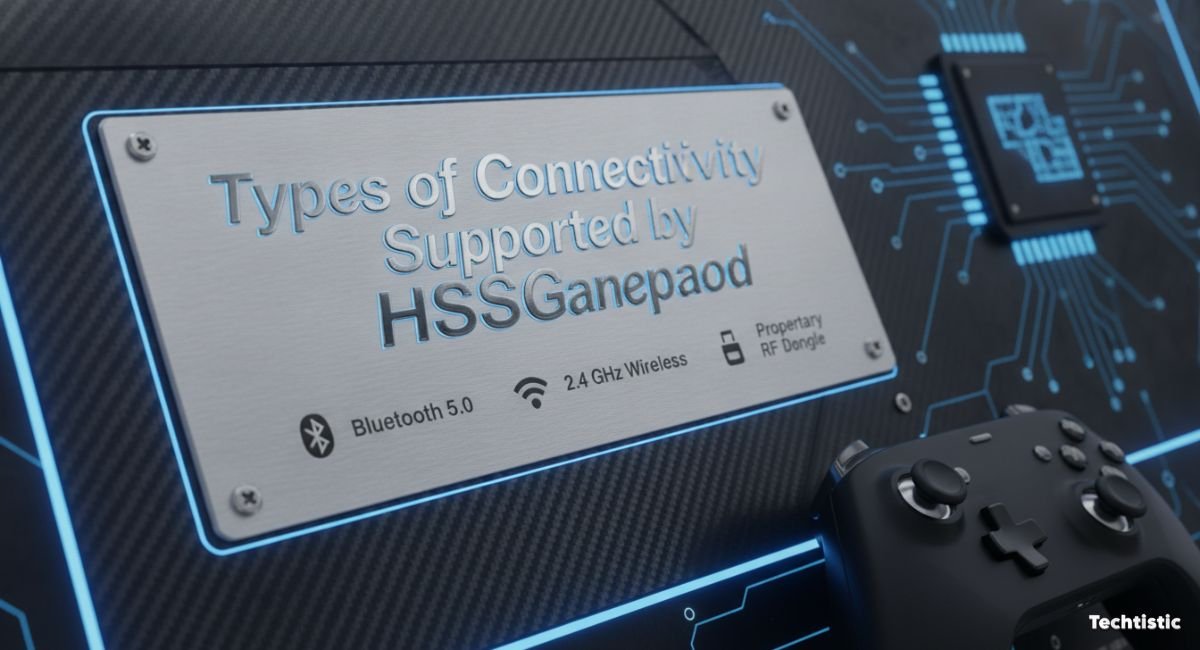
The HSSGamepad offers three primary connection methods, allowing users to switch between convenience and performance. Each option works differently and suits specific devices. Understanding these differences helps you avoid common HSSGamepad connection issues while selecting the best setup for your gaming style.
Choosing the correct connection type also improves battery life, lowers Wireless latency, and reduces the chance of HSSGamepad disconnecting during long gaming sessions. Whether you play on a PC, smartphone, or Smart TV, selecting the proper mode creates a better overall experience.
Bluetooth Connectivity
Bluetooth remains the easiest way to connect mobile devices. It requires no additional accessories and works with most Android phones, iPhones, tablets, and laptops. If you experience a HSSGamepad Bluetooth issue, updating your device software and clearing old pairings often restores a reliable connection.
2.4GHz Wireless Dongle Connection
A dedicated wireless receiver provides faster communication than Bluetooth. The controller connects through a small USB receiver that creates a stronger Wireless signal with lower delay. Many PC gamers prefer this option because it delivers excellent responsiveness without requiring a physical cable.
USB Wired Connection
A wired USB connection offers maximum reliability for competitive gaming. It eliminates battery concerns, avoids Wireless disconnect problems, and delivers the lowest possible input delay. When users encounter USB Device Not Recognized errors, updating the USB driver or changing the USB port usually resolves the issue.
Choosing the Right Connection Method for Your Gaming Style
Each connection method serves a different purpose. Bluetooth works well for portability. The wireless dongle balances freedom with speed. A quality USB cable provides the most consistent performance during esports or extended gaming sessions where every millisecond matters.
| Connection Type | Best For | Advantages | Possible Limitations |
| Bluetooth | Phones, Tablets, Laptops | Easy pairing, no extra hardware | Higher latency, possible interference |
| 2.4GHz Wireless | PC Gaming | Low latency, stable performance | Requires USB receiver |
| USB Wired | Competitive Gaming | Fastest response, no battery concerns | Limited movement by cable |
How to Connect HSSGamepad to Different Devices
Connecting the controller correctly depends on the device you use. Windows computers, Android phones, iPhones, and Smart TVs each have different pairing processes. Following the correct method prevents HSSGamepad not detected errors and reduces future HSSGamepad controller problems.
Many connection failures happen because users skip important setup steps. Following a complete HSSGamepad setup guide makes installation faster and creates a stable gaming experience. The following methods explain How to connect controller to PC, mobile devices, and entertainment systems successfully.
Connect HSSGamepad to a Windows PC
To learn How to connect controller to PC, first decide whether you want Bluetooth, wireless receiver, or USB mode. Windows usually installs the required software automatically. If your PC reports a USB Device Not Recognized message, reconnect the controller through another USB port and allow Windows Update to install the latest USB driver.
Pair HSSGamepad with an Android Device
If you want to know How to connect controller to Android, enable Bluetooth on your phone and place the controller into pairing mode. Once the controller appears in the Bluetooth menu, select it and complete the connection. If a HSSGamepad wireless issue appears, removing older paired devices often restores a stable connection.
Connect HSSGamepad to an iPhone or iPad
Understanding How to connect controller to iPhone is simple on modern iOS versions. Open Bluetooth settings, activate pairing mode on the controller, and select it from the available devices. If pairing fails, restart Bluetooth and repeat How to pair HSSGamepad from the beginning.
Set Up HSSGamepad on Smart TVs
Many Smart TVs support Bluetooth gaming controllers or direct USB connections. Check your television settings for external controller support before pairing. A wired connection often provides more consistent results for cloud gaming applications running on Smart TVs.
Using HSSGamepad with Steam and Cloud Gaming Platforms
Steam automatically recognizes many modern controllers through its built-in controller settings. Cloud gaming platforms such as Xbox Cloud Gaming and GeForce NOW also support HSSGamepad. Completing a proper HSSGamepad connection guide before launching games ensures smoother gameplay and fewer compatibility issues.
Step-by-Step HSSGamepad Setup Guide
Setting up your controller the right way prevents many future connection problems. A careful installation also improves response time and device compatibility. This HSSGamepad setup guide explains every important step in simple English so you can enjoy stable gameplay without unnecessary interruptions or repeated connection attempts.
Many users blame the controller when the real issue comes from skipped setup steps. Following the complete HSSGamepad connection guide helps you avoid HSSGamepad connection issues, improves detection speed, and creates a reliable gaming experience across Windows, Android, iPhone, and Smart TVs.
Unboxing and Preparing Your Controller
Before connecting the controller, fully charge its battery or install fresh batteries if required. Check the package for the wireless receiver and a quality USB cable. Inspect the controller for physical damage because loose buttons or damaged ports may later appear as HSSGamepad controller problems.
Entering Pairing Mode Correctly
Learning How to pair HSSGamepad starts with enabling pairing mode correctly. Hold the pairing button until the LED flashes rapidly instead of slowly. A fast blinking light means the controller is ready for discovery. If nothing appears, restart both devices before trying again.
Installing Drivers and Required Software
Most Windows computers install the required USB driver automatically. However, older systems may need Windows Update to complete installation. If the controller appears as USB Device Not Recognized, disconnect it, restart the computer, and reconnect through another USB port.
Switching Between X-Input and D-Input Modes
Modern PC games usually work best with X-Input mode, while many classic games and emulators support D-Input. Choosing the wrong mode often causes HSSGamepad not connecting inside games even though Windows successfully detects the controller.
Testing Your HSSGamepad Connection
After setup, test every button, trigger, and joystick before opening your favorite game. Windows users can use the built-in controller testing utility to confirm proper input. This simple check verifies that your Wireless connection, Bluetooth, or USB setup works correctly.
| Setup Step | Purpose | Expected Result |
| Charge Controller | Stable power | Longer gaming sessions |
| Enter Pairing Mode | Device discovery | Controller becomes visible |
| Install Drivers | Hardware recognition | Controller detected properly |
| Select Input Mode | Game compatibility | Buttons respond correctly |
| Test Connection | Verify functionality | Smooth controller response |
Common HSSGamepad Connectivity Problems
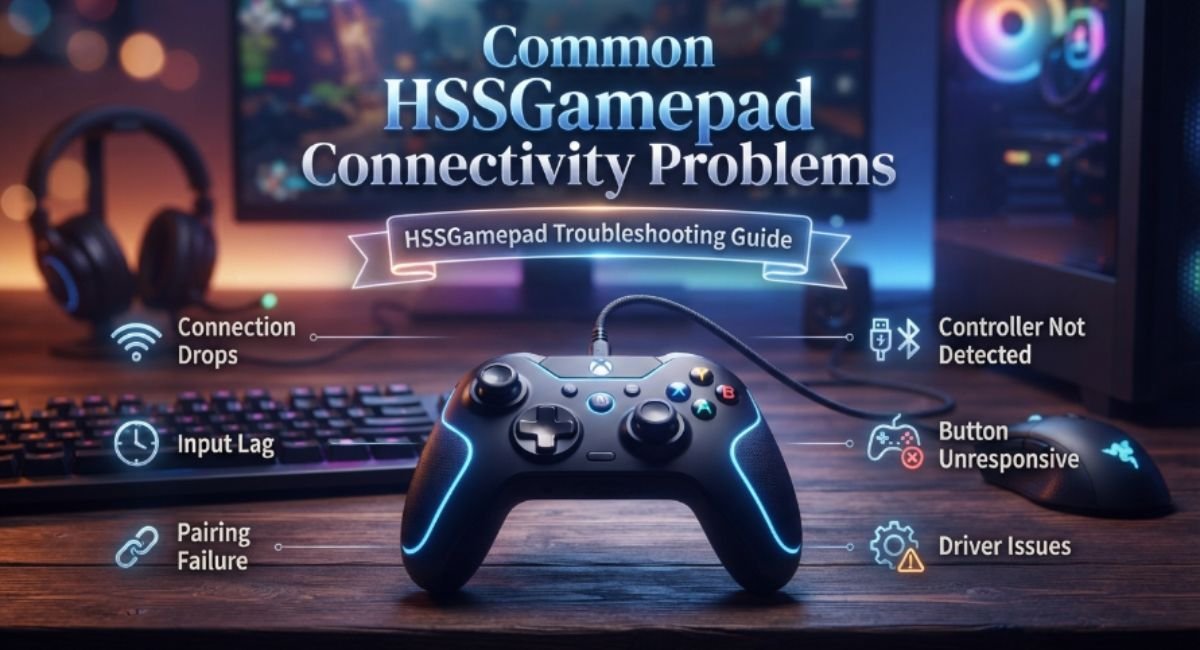
Even premium controllers can experience connection difficulties. Fortunately, most HSSGamepad connectivity problems result from software settings instead of hardware failures. Understanding the cause allows you to apply the correct HSSGamepad connection fix instead of wasting time trying random solutions.
Many gamers search for Why is HSSGamepad not working when only a small setting needs attention. Bluetooth conflicts, outdated drivers, poor batteries, and incorrect connection modes remain the most common reasons behind HSSGamepad troubleshooting requests across gaming communities.
HSSGamepad Not Connecting
A HSSGamepad not connecting error usually happens because the controller remains paired with another device. Removing previous Bluetooth connections and restarting both devices often restores normal operation within minutes.
Bluetooth Pairing Failed
A common HSSGamepad pairing problem appears when Bluetooth is active on too many nearby devices. Clearing unused Bluetooth pairings and moving closer during setup creates a stronger Wireless signal and increases pairing success.
USB Device Not Recognized
Many Windows users experience the USB Device Not Recognized message after plugging in the controller. This usually points to a missing USB driver, damaged USB cable, or faulty USB port rather than a defective controller.
2.4GHz Dongle Not Working
A wireless receiver works only when the controller operates in the correct mode. Selecting Bluetooth instead of wireless receiver mode creates a HSSGamepad wireless issue, even though the USB receiver is properly connected.
Controller Keeps Disconnecting
Frequent HSSGamepad disconnecting often results from low battery power or severe Wireless interference. Nearby Wi-Fi routers, Bluetooth speakers, and cordless electronics can interrupt the controller’s communication during gameplay.
Input Lag and Delayed Response
High Wireless latency affects aiming precision, racing controls, and fast-action games. Weak batteries, crowded wireless frequencies, and background applications all contribute to slower controller responses.
Controller Detected but Buttons Not Working
Sometimes Windows recognizes the controller but games ignore every button press. This issue commonly occurs because the controller operates in the wrong input mode rather than because of hardware damage.
| Problem | Most Common Cause | Quick Solution |
| HSSGamepad not connecting | Previous pairing | Remove old device and reconnect |
| Bluetooth pairing failed | Signal conflict | Restart Bluetooth and pair again |
| USB Device Not Recognized | Missing USB driver | Update driver and reconnect |
| Controller disconnecting | Low battery | Recharge controller |
| High input lag | Wireless interference | Reduce nearby interference |
| Buttons not responding | Wrong input mode | Switch between X-Input and D-Input |
How to Fix Connectivity HSSGamepad Issues
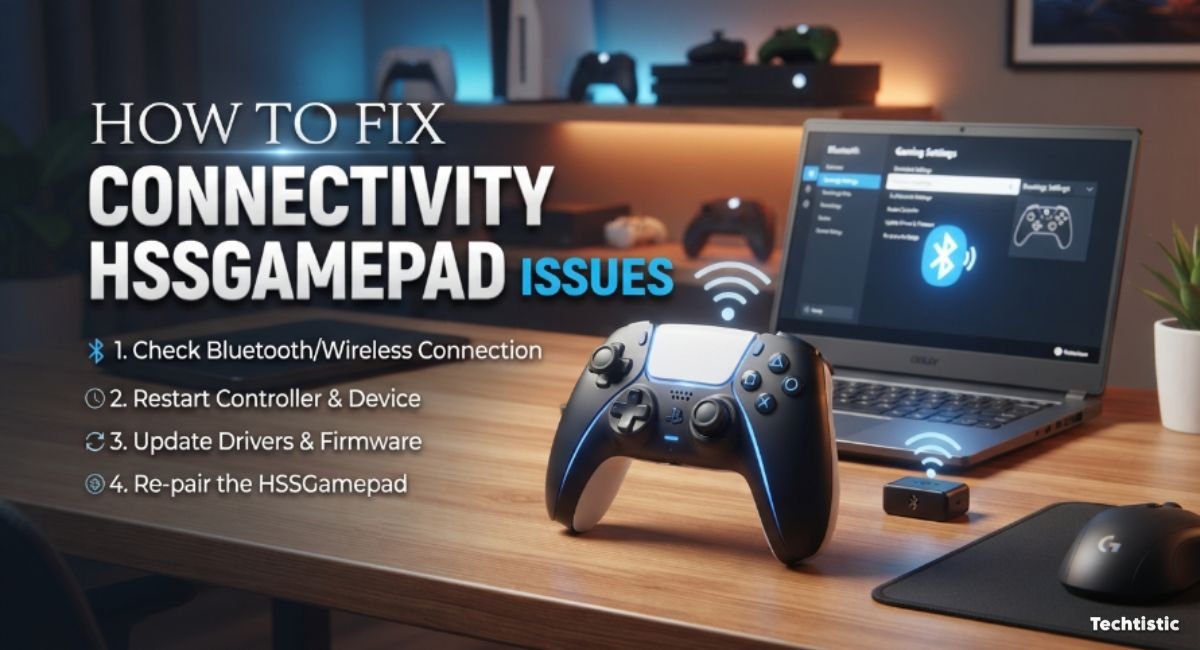
Once you identify the actual cause, fixing Connectivity HSSGamepad becomes much easier. Most problems disappear after updating drivers, resetting Bluetooth, or selecting the proper controller mode. These solutions work across Windows, Android, iOS, and most Smart TV platforms.
Professional gamers often follow a step-by-step process instead of changing several settings at once. This method quickly identifies the real problem and delivers a permanent HSSGamepad connection fix without creating additional compatibility issues.
Reset and Reconnect Your HSSGamepad
The easiest solution begins with a fresh connection. Forget the controller from your device, restart Bluetooth, then repeat How to connect HSSGamepad from the beginning. This clears corrupted connection data that may prevent successful pairing.
Fix Bluetooth Pairing Problems
If you experience a HSSGamepad Bluetooth issue, disable Bluetooth for a few seconds before enabling it again. Place the controller close to the device during pairing because stronger Wireless performance improves connection stability.
Resolve USB Driver Errors
Driver conflicts frequently create HSSGamepad USB issue messages on Windows computers. Open Device Manager, uninstall the existing controller entry, restart the system, and allow Windows to reinstall the latest USB driver automatically.
Troubleshoot Wireless Dongle Issues
A weak Wireless signal often results from placing the receiver behind a desktop computer or near a Wi-Fi router. Move the receiver closer using a USB extension if necessary. This simple adjustment significantly improves Wireless performance.
Update Firmware and Device Drivers
Knowing How to update HSSGamepad firmware helps prevent compatibility issues with newer operating systems. Always install firmware updates using a wired connection because interrupted wireless updates may damage the installation process.
Eliminate Wireless Interference
Many gamers overlook environmental conditions. However, Wireless interference from routers, wireless speakers, smart home devices, and nearby controllers can reduce signal quality. Moving your gaming setup away from these devices often improves stability immediately.
Advanced Troubleshooting for Persistent Problems
If every solution fails, test the controller on another device before assuming hardware failure. This process helps identify whether the problem comes from the controller, operating system, drivers, or your gaming platform. It also answers Why does HSSGamepad disconnect by eliminating one possible cause at a time.
Case Study:
A PC gamer experienced random controller disconnects during online racing games. After replacing the battery, updating the USB driver, and moving the wireless receiver away from the Wi-Fi router, the disconnects completely disappeared. The controller continued working reliably for several months without further adjustments.
HSSGamepad Compatibility and System Requirements
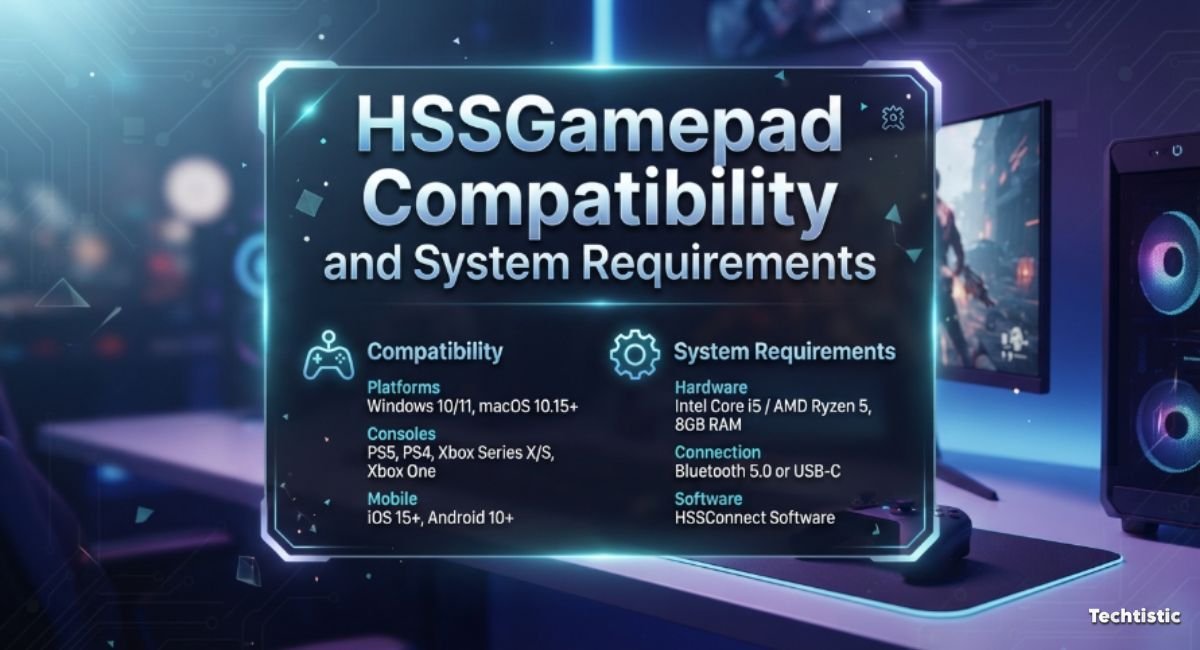
Before buying or connecting a controller, you should confirm device compatibility. A compatible system reduces setup time and prevents unnecessary HSSGamepad connection issues. Meeting the minimum requirements also improves HSSGamepad connectivity, ensuring stable gameplay across different platforms without unexpected errors or connection failures.
Compatibility involves more than operating systems alone. Bluetooth versions, available USB port types, updated drivers, and supported games all influence controller performance. Understanding these requirements helps you avoid HSSGamepad not detected errors while creating a smoother gaming experience from the first connection.
Supported Windows Versions
Windows 10 and Windows 11 offer the best support for modern controllers. Most systems automatically recognize the controller after installation. If you experience HSSGamepad USB issue messages, updating Windows and reinstalling the latest USB driver usually restores normal functionality without additional software.
Android Compatibility
Most Android devices running Android 8.0 or later support Bluetooth controllers. If you’re learning How to connect controller to Android, ensure Bluetooth remains enabled and battery optimization does not interrupt the Wireless connection during gameplay.
iOS and iPadOS Requirements
Apple devices running iOS 13 or newer provide reliable controller support through the Game Controller framework. If you want to know How to connect controller to iPhone, keep Bluetooth active and update iOS regularly to improve compatibility and stability.
Smart TV Compatibility
Many Samsung, LG, Sony, and Android TVs support external controllers. Bluetooth usually works well for casual gaming, while a direct USB connection provides greater reliability for cloud gaming services and local multiplayer games.
Steam, Cloud Gaming, and Emulator Support
Steam, Xbox Cloud Gaming, NVIDIA GeForce NOW, and many Android emulators recognize HSSGamepad automatically. Switching between X-Input and D-Input allows wider compatibility across both modern titles and classic emulation software.
Minimum Hardware and Bluetooth Requirements
Reliable controller performance depends on updated hardware. Bluetooth 4.0 or newer delivers stronger Wireless performance, while a quality USB cable ensures dependable wired gaming. Modern processors and sufficient RAM also reduce latency during demanding gaming sessions.
| Platform | Minimum Requirement | Recommended Requirement |
| Windows | Windows 10 | Windows 11 Latest Version |
| Android | Android 8.0 | Android 12 or Later |
| iPhone/iPad | iOS 13 | Latest iOS Version |
| Bluetooth | Version 4.0 | Version 5.0 or Higher |
| USB | USB 2.0 | USB 3.0 or USB-C |
Wired vs Wireless HSSGamepad: Which Is Better?
Choosing between wired and wireless depends on your gaming habits. Some players prefer unrestricted movement, while competitive gamers prioritize speed and consistency. Understanding each connection type helps you make a smarter decision instead of simply following popular opinions.
Neither option is perfect for every situation. Bluetooth offers flexibility, a wireless receiver balances speed with convenience, and wired mode delivers maximum reliability. Comparing performance, latency, battery life, and overall stability helps determine the best option for your gaming setup.
Performance Comparison
A wired USB controller communicates directly with your computer, providing consistent performance throughout long gaming sessions. A Wireless controller offers greater freedom but depends on battery strength and signal quality for uninterrupted gameplay.
Latency and Input Response
If you want to learn How to reduce controller input lag, a wired connection remains the fastest option. A 2.4GHz receiver produces lower Wireless latency than Bluetooth, making it an excellent choice for fast-paced shooters and racing games.
Battery Life vs Continuous Power
Wireless gaming requires battery management. Low battery levels often contribute to HSSGamepad disconnecting or weaker Wireless signal strength. Wired mode removes battery concerns entirely because the controller receives continuous power through the USB connection.
Competitive Gaming vs Casual Gaming
Professional esports players generally choose wired connections because every millisecond matters. Casual gamers often prefer Bluetooth or a wireless receiver since movement freedom creates a more comfortable experience during long entertainment sessions.
Comparison Table: Wired vs Bluetooth vs 2.4GHz Wireless
| Feature | USB Wired | Bluetooth | 2.4GHz Wireless |
| Input Lag | Excellent | Good | Very Good |
| Battery Required | No | Yes | Yes |
| Connection Stability | Excellent | Good | Excellent |
| Portability | Limited | Excellent | Very Good |
| Competitive Gaming | Best Choice | Acceptable | Excellent |
| Easy Setup | Excellent | Very Good | Very Good |
Expert Insight:
Competitive players often prefer wired or 2.4GHz wireless because these methods usually provide faster response times than standard Bluetooth connections during high-speed gameplay.
Tips to Improve HSSGamepad Connectivity and Gaming Performance
A well-maintained controller performs better and lasts longer. Small maintenance habits reduce HSSGamepad controller problems, improve HSSGamepad connectivity, and minimize the chances of unexpected connection failures. Preventive care always saves more time than repeated troubleshooting.
Strong gaming performance comes from combining updated software, stable hardware, and an optimized gaming environment. Following a few simple practices dramatically improves responsiveness while preventing future HSSGamepad connection issues before they interrupt your gaming sessions.
Keep Firmware and Drivers Updated
Learning How to update HSSGamepad firmware helps improve compatibility with new operating systems and games. Updated firmware often fixes hidden software bugs while newer USB driver versions improve controller recognition and overall stability.
Optimize Bluetooth Signal Strength
A strong Wireless signal depends on distance and surroundings. Keep your controller close during pairing and avoid placing large metal objects between the controller and your gaming device for better Wireless performance.
Reduce Wireless Interference
Household electronics frequently create Wireless interference without users noticing. Wi-Fi routers, cordless phones, Bluetooth speakers, and microwave ovens all affect controller communication. Moving away from these devices improves connection quality almost immediately.
Improve Battery Health and Charging Habits
Recharge the controller before battery levels become critically low. Healthy batteries maintain stable Wireless connection quality and reduce the risk of HSSGamepad disconnecting during long gaming sessions.
Best Practices for Stable Gaming Sessions
Restart your controller occasionally, remove unused Bluetooth pairings, and store the wireless receiver safely when not in use. These simple habits improve reliability and reduce future HSSGamepad troubleshooting requirements.
Prevent Future Connectivity Problems
Understanding How to fix HSSGamepad begins with prevention rather than repair. Keep your operating system updated, use certified charging accessories, protect the controller from moisture, and inspect every USB cable regularly for wear before connection issues develop.
Real-World Case Study
A competitive PC gamer noticed frequent HSSGamepad disconnecting during online tournaments. At first, they believed the controller had developed a hardware fault. However, after testing the setup, they discovered the wireless receiver sat directly beside a dual-band Wi-Fi router. The router created significant Wireless interference, reducing signal quality every few minutes.
The solution required only a few small adjustments. The gamer moved the receiver using a short USB extension, updated the USB driver, installed the latest firmware, and fully charged the controller before each session. Connection stability improved immediately. Input delay disappeared, and the controller performed reliably during several weeks of competitive gameplay without another disconnect.
“Most controller problems aren’t caused by broken hardware. They happen because of outdated software, poor wireless placement, or incorrect settings. A few careful adjustments usually solve everything.”
Conclusion
A reliable controller creates a better gaming experience. Understanding Connectivity HSSGamepad allows you to prevent problems before they interrupt your gameplay. Whether you use Bluetooth, a wireless receiver, or a wired connection, following the correct setup process improves stability, lowers latency, and extends the controller’s lifespan.
Most HSSGamepad connection fix solutions require only a few minutes. Keep firmware updated, install the latest drivers, protect your controller from unnecessary wear, and maintain a strong Wireless connection. If you follow the recommendations in this guide, you will spend less time solving technical issues and more time enjoying smooth, responsive gaming on every supported platform.
Frequently Asked Questions (FAQs)
Why is my HSSGamepad not connecting? Your controller may already be paired with another device, have a low battery, or not be in pairing mode, so remove old pairings, restart both devices, and reconnect.
How do I pair my HSSGamepad with a new device? Enable pairing mode by holding the Bluetooth button until the LED flashes rapidly, then select the controller from your device’s Bluetooth settings.
Why does my HSSGamepad keep disconnecting? Low battery, Wireless interference, outdated firmware, or a weak Wireless signal are the most common reasons for random disconnections.
How can I reduce controller input lag? Use a wired USB connection or a 2.4GHz wireless receiver, update your firmware, and close unnecessary background applications for smoother performance.
Does HSSGamepad work with Windows, Android, and iPhone? Yes, HSSGamepad is compatible with Windows PCs, Android devices, and iPhones, provided your device meets the required Bluetooth or USB compatibility standards.

Welcome to techtistic I’m Adnan Jabbar, an AI-Powered SEO, Content Writer with 4 Years of Experience. I Help Website to Rank higher, grow Traffic and looking amazing. My goal is to make SEO and Web design simple and effective for everyone. Lets Achieve more Together!